Basements are uncommon in San Diego, so a sump pump here usually serves a low-lying lot, a hillside drainage setup, a below-grade room or a commercial space such as a parking level. When the pump quits, the usual suspects are a tripped outlet, a jammed float, a failed check valve or a worn-out motor. Call the number on this page to be connected with a local plumber in San Diego who can track down the fault.
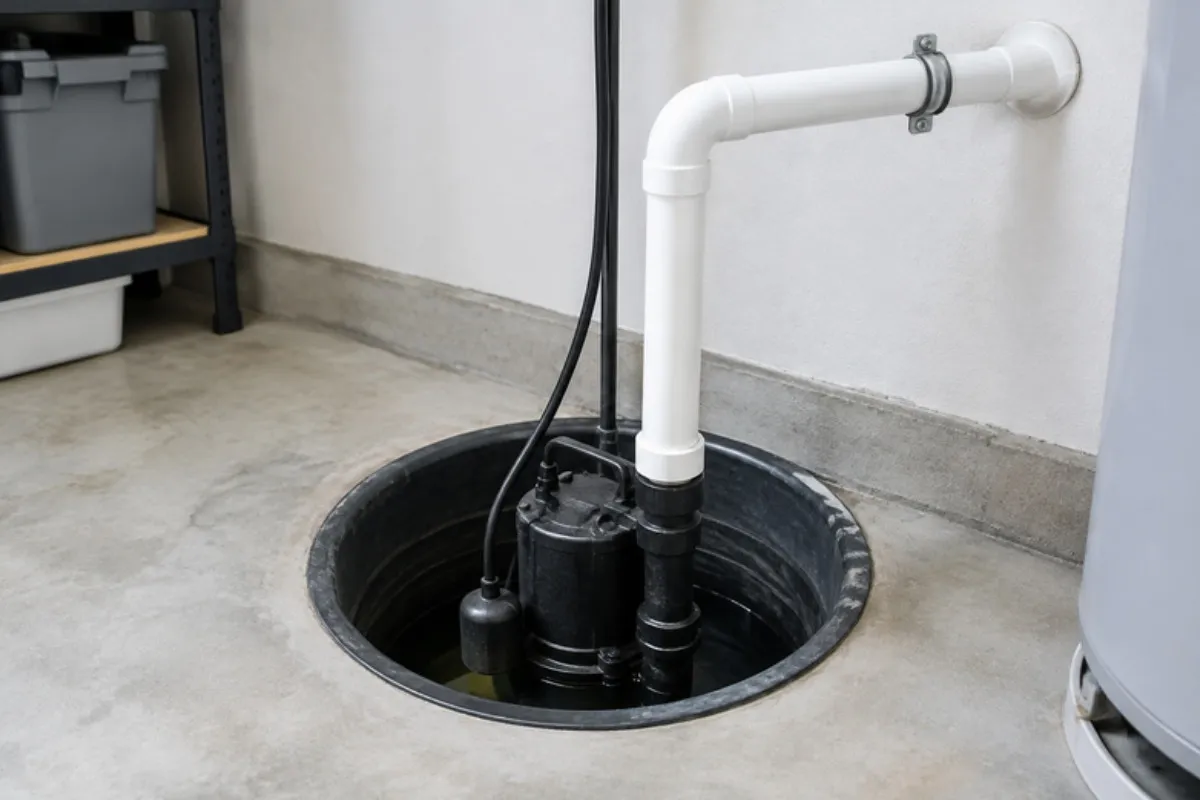
An honest look at sump pumps in San Diego
Most San Diego homeowners never deal with a sump pump. Newer tracts are commonly built slab-on-grade, older neighborhoods tend to sit on raised foundations with crawl spaces, and full basements are unusual. That makes this a niche job, but not an unimportant one. Where a pit does exist, it is usually there because water has nowhere else to go:
- Lots that sit below the street or at the bottom of a slope, where runoff pools against the house
- Canyon and hillside properties with subdrains behind retaining walls that empty into a pit
- Crawl spaces that collect water during winter storms
- Below-grade bedrooms, garages or laundry rooms, sometimes with a sewage ejector pump
- Commercial and mixed-use buildings with underground parking, elevator pits or mechanical rooms
Why they fail when it finally rains
San Diego summers are dry, and a pump can sit untouched for months. When the winter rainy season arrives, that long idle stretch shows up as a seized float, corroded switch contacts or a motor that hums but will not spin. Other common faults:
- A tripped GFCI outlet or breaker cutting power to the pump
- A float hung up on the pit wall or its own cord
- A check valve that lets discharged water drain back into the pit
- Silt and debris washed in by storm runoff clogging the intake or impeller
- A discharge line that is crushed, disconnected or dumping water back toward the foundation
Test it before the first storm
Fill the pit with a bucket or hose and watch. The pump should start on its own, lower the water and shut off without chattering. If it runs nonstop, cycles every few seconds or does nothing, have a plumber look at it during dry weather. Clearing silt from the pit and confirming where the discharge goes are worth doing at the same visit.
Sewage ejectors are a separate concern
An ejector pump lifts waste from fixtures below the sewer line. If it fails, stop using those fixtures to avoid a backup. The owner is responsible for the sewer lateral between the house and the property line. If a plumber finds the break is beyond the property line, they file a Plumber's Report with the City's Sewer Emergency Line.
What drives the cost
The price depends on whether a float, switch or valve fixes the problem or the pump must be replaced, whether it is a sump or an ejector, how easy the pit is to reach, and whether the discharge piping needs work. Get the diagnosis and a written quote before work starts.
Sump Pump Repair questions from San Diego homeowners
Is it normal for a San Diego house to have a sump pump?
Why did my pump stop working in the first big rain of the year?
How is an ejector pump different from a sump pump?
Who handles a sewer break past my property line?
Related plumbing services in San Diego
Sump Pumps in nearby cities and towns
San Diego County
Sources
Last updated: